
Root Canal Treatment San Diego
Root Canal Therapy
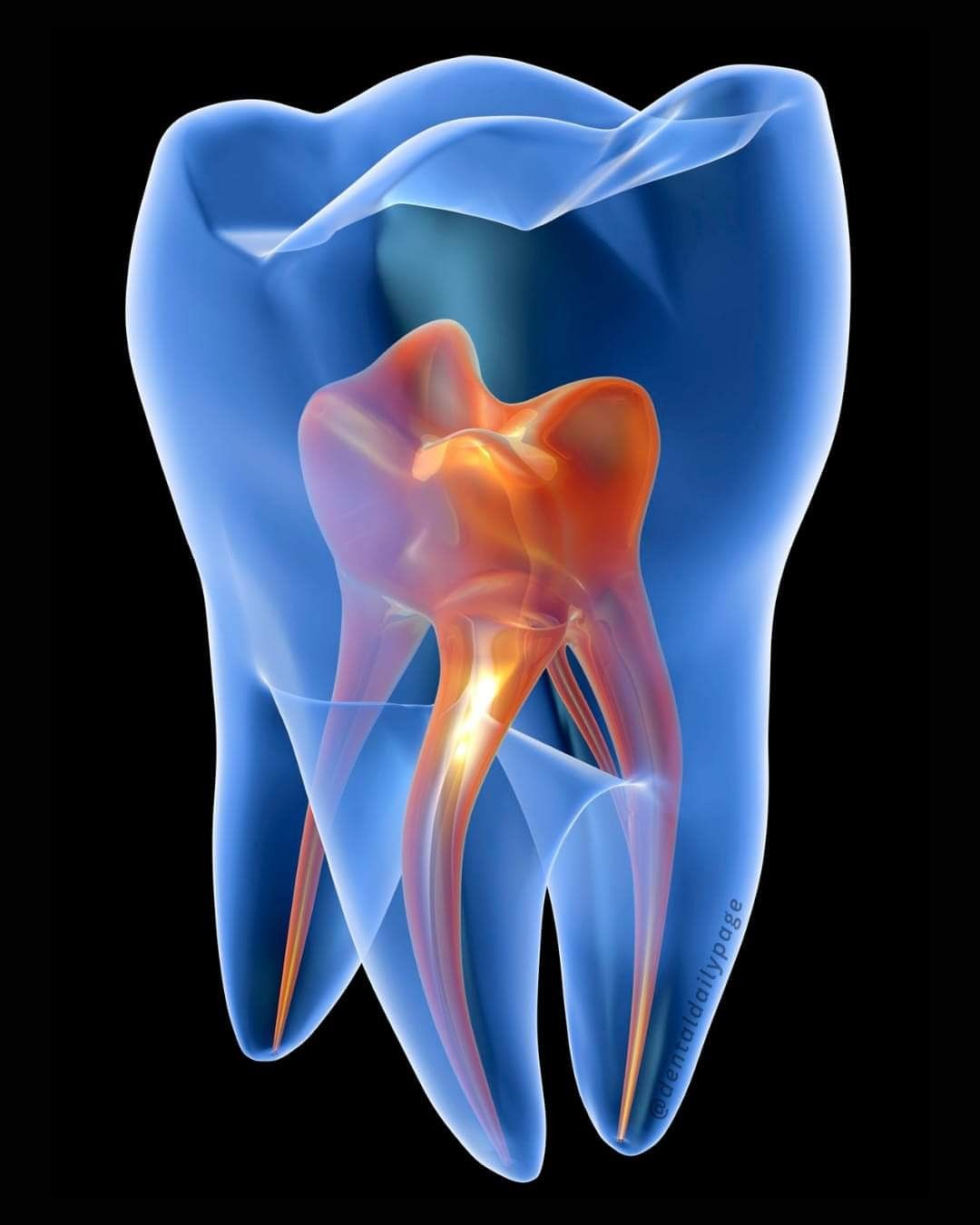
Root canal therapy saves infected or severely damaged teeth that would otherwise need to be extracted. When the inner pulp of a tooth becomes infected due to decay, cracks, or trauma, this treatment removes the damaged tissue and cleans the inside of the tooth. The tooth is then sealed and typically restored with a crown to protect it from future damage. Modern root canal procedures are comfortable and highly successful.
Endodontics
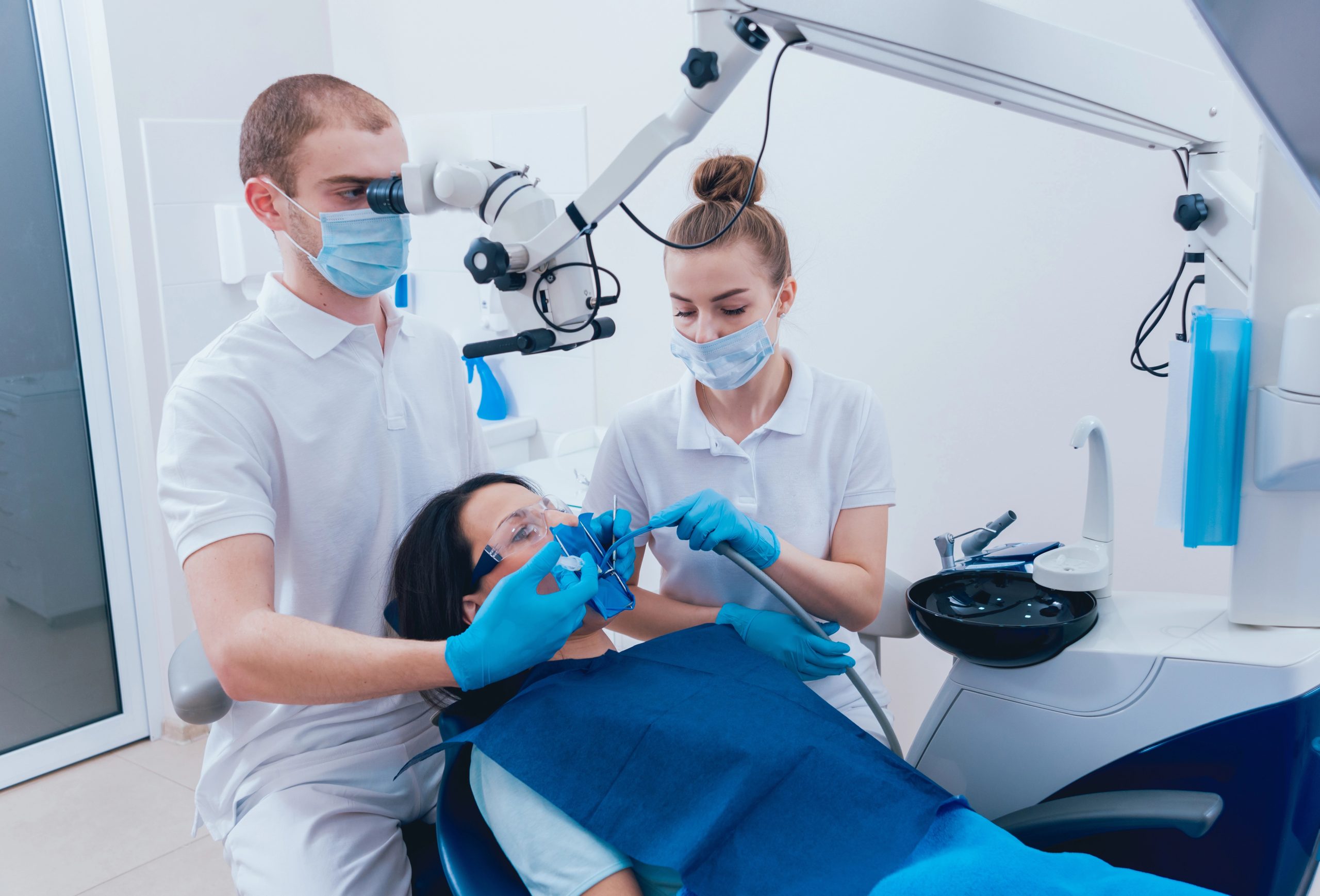
Endodontics is the specialized branch of dentistry focused on treating the inside of teeth, particularly the pulp and root systems. Advanced endodontic techniques allow us to save teeth that were once considered hopeless. Treatment may involve removing infected tissue, reshaping root canals, and placing medication to promote healing. Most endodontically treated teeth can last a lifetime with proper care and restoration.
Root Canal Questions
Root Canal Questions, Answered Plainly
If you are in pain right now, call us at (858) 560-1996. If you are researching, start here. The full dental FAQ covers 45 more.
How do I know if I need a root canal or just a filling?
You cannot tell from the outside, and neither can we without testing. The rough guide: a filling handles decay that has not reached the nerve, while a root canal is needed once the nerve inside the tooth is inflamed or infected. The symptoms that point toward the nerve are lingering sensitivity to hot or cold that carries on for more than about thirty seconds after the source is gone, pain that wakes you at night, pain on biting, or a tooth that has darkened. A pulp test and an X-ray settle it in a few minutes.
Can a root canal be avoided?
Sometimes, if it is caught early enough. When decay is close to the nerve but has not entered it, a protective liner placed under a filling can occasionally let the nerve settle and recover. Once bacteria are inside the pulp, though, that tissue does not heal on its own, and the choice narrows to root canal treatment or extraction. Antibiotics can quiet an infection temporarily but do not reach inside the tooth, which is why pain often returns once the course finishes. Waiting rarely improves the options.
How long does a root canal appointment actually take?
Most take about 60 to 90 minutes. A front tooth with a single canal is at the shorter end; a molar with three or four curved canals sits at the longer end, and occasionally is split across two visits. The bulk of that time is the careful part — cleaning and shaping each canal and sealing it properly — not the numbing or the drilling. Plan for a normal afternoon afterward. Most people go back to work; the tooth feels tender to bite on for a few days, not disabling.
Is it better to just pull the tooth instead?
Almost never, if the tooth is restorable. Extraction is quicker and cheaper on the day, but it starts a chain: the bone in the gap begins to shrink, neighbouring teeth drift, and replacing the tooth properly with an implant or a bridge costs considerably more than the root canal and crown would have. A treated natural tooth kept in place also preserves the ligament and bone around it, which no replacement fully reproduces. Where a tooth is cracked below the gumline or has too little structure left to rebuild, extraction genuinely is the better call — and we will tell you when that is the case.
Can a tooth that had a root canal get infected again?
It can, though it is uncommon. Success rates sit around 90 to 95%. Reinfection usually happens for one of three reasons: a canal that was unusually narrow or curved was not fully cleaned, the crown or filling on top leaked and let bacteria back in, or the tooth cracked later. That last one is why we push for a crown after treatment on back teeth — a root-treated molar without full coverage is markedly more likely to fracture. If a treated tooth becomes sore again years later, it is usually retreatable rather than lost.
Why Choose Precision Dental Arts?
Precision Technology
Digital dentistry and advanced equipment for microscopic accuracy and superior results.
Master Craftsmen
Artisan dentists who combine technical precision with aesthetic excellence.
Precision Planning
Meticulously crafted treatment plans designed with your unique anatomy and goals in mind.
Refined Experience
Sophisticated, calming environment where precision meets comfort.

Ready to Schedule Your Appointment?