
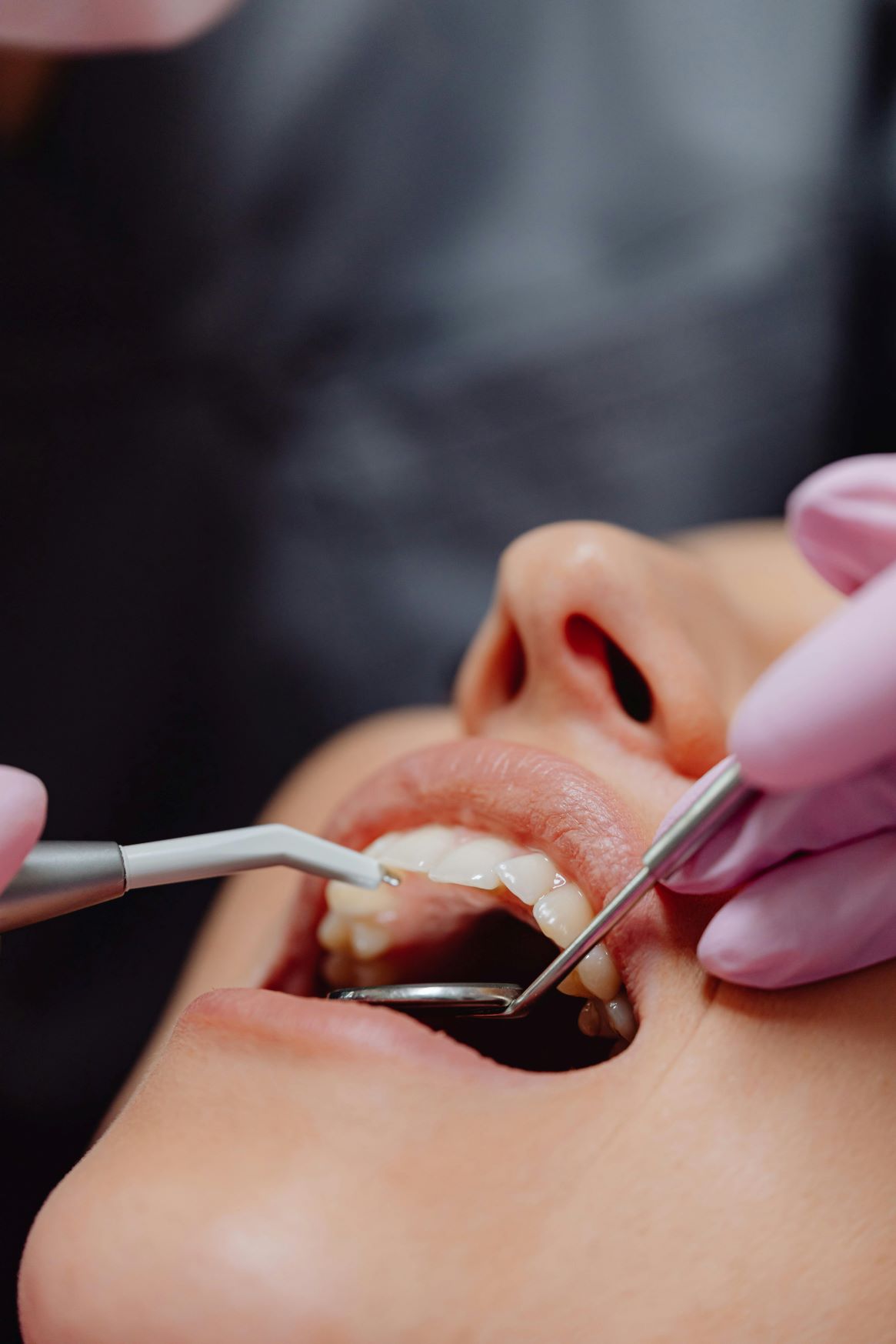
A chipped tooth needs prompt attention to prevent further damage and protect your oral health. Whether you bit into something hard, took a fall, or experienced an impact during sports, the steps you take immediately after chipping your tooth matter. Rinse your mouth with warm water, apply pressure to stop any bleeding, and save any tooth fragments in milk or saliva. Cover sharp edges with dental wax to protect your tongue and cheeks. Apply a cold compress to reduce swelling and contact your dentist right away. At Precision Dental Arts in San Diego, we provide same-day emergency appointments for chipped teeth because early treatment leads to better outcomes and more options for repair.
Common Causes of Chipped Teeth
Understanding what causes chips helps you prevent future damage to your teeth.
Hard Foods and Objects
Biting down on ice, popcorn kernels, hard candy, or olive pits puts significant stress on tooth enamel. Even healthy foods like nuts and raw carrots can cause chips when you bite at an awkward angle. Using teeth to open packages or bottles also leads to damage.
Sports and Physical Activity
Contact sports cause a large percentage of dental injuries each year. Basketball, football, hockey, and martial arts all put teeth at risk. Even non-contact activities like cycling or skateboarding can result in chipped teeth from falls.
Teeth Grinding and Clenching
Bruxism, the habit of grinding or clenching teeth, wears down enamel over time. Many people grind at night without knowing it. Years of grinding weakens teeth and makes them more likely to chip.
Acid Erosion
Acidic foods, beverages, and conditions like acid reflux gradually thin tooth enamel. Weakened enamel chips more easily under normal chewing pressure.
Types of Tooth Chips
The severity of your chip determines what treatment you need.
Minor Enamel Chips
Small chips affect only the outer enamel layer. They may not hurt, but they still require repair. Bacteria can enter through even tiny chips and cause decay over time.
Moderate Chips
These extend into the dentin beneath your enamel. You’ll likely notice sensitivity to temperature changes and sweet foods. The tooth may appear yellow or darker where the dentin is exposed.
Severe Chips and Fractures
Large chips that expose the pulp cause significant pain. The pulp contains nerves and blood vessels, so these injuries often lead to infection without prompt treatment.
Treatment Options for Chipped Teeth
Your dentist will recommend treatment based on the chip’s size, location, and severity.
Dental Bonding
Bonding repairs small chips using tooth-colored composite resin. Your dentist shapes the resin to match your natural tooth, then hardens it with a special light. The procedure takes about 30-60 minutes and requires no anesthesia for minor chips.
Porcelain Veneers
Veneers cover the entire front surface of a tooth. They work well for chips on visible front teeth when you want a seamless appearance. Veneers require removing a thin layer of enamel and typically need two appointments.
Dental Crowns
Crowns restore teeth with larger chips or significant structural damage. A crown covers the entire visible portion of your tooth above the gumline, providing strength and protection. Modern crowns match your natural tooth color.
Root Canal with Crown
When a chip exposes the pulp, you may need a root canal before placing a crown. This procedure removes infected or damaged pulp tissue, saves the tooth, and eliminates pain.
What to Avoid After Chipping Your Tooth
Protect your damaged tooth until you see your dentist:
- Hard, crunchy, or sticky foods that could worsen the damage
- Chewing on the affected side of your mouth
- Very hot or cold foods and beverages
- Sugary foods that feed bacteria in the exposed area
- Biting directly into foods with your front teeth if they’re damaged
Stick to soft foods at moderate temperatures until your appointment.
Can a Chipped Tooth Heal Itself?
Teeth cannot heal or regenerate like bones and skin. Enamel contains no living cells, so once it chips, the damage is permanent without dental treatment.
Leaving a chip untreated creates ongoing problems. The exposed tooth structure allows bacteria to penetrate deeper into the tooth. Small chips often grow larger from daily chewing forces. What starts as a minor cosmetic issue can become a painful infection requiring more extensive treatment.
Even small chips benefit from professional evaluation. Your dentist can smooth jagged edges, apply protective sealant, and monitor the tooth for changes.
How to Prevent Chipped Teeth
Reduce your risk of future chips with these protective measures:
- Wear a custom-fitted mouthguard during sports and recreational activities
- Use a night guard if you grind or clench your teeth while sleeping
- Stop chewing on ice, pens, fingernails, and other hard objects
- Cut hard foods like apples and raw vegetables into smaller pieces
- Limit acidic foods and drinks that weaken enamel
- Schedule regular dental checkups to identify and treat weak spots
Prevention costs less than repair and keeps your natural teeth intact longer.
When You Need Emergency Dental Care
Some situations require same-day treatment. Contact your dentist immediately if you experience:
Severe or worsening pain. Pain that doesn’t respond to over-the-counter medication may indicate nerve damage or the beginning of an infection.
Uncontrolled bleeding. Bleeding that continues after 15 minutes of steady pressure needs professional attention.
A large missing piece. Significant tooth loss or a loose tooth requires prompt stabilization and repair.
Signs of infection. Fever, facial swelling, pus, or a foul taste signals an infection that can spread without treatment.
Exposed pulp. If you can see pink or red tissue inside the tooth, the nerve is exposed and vulnerable.
Don’t wait to address a chipped tooth. What seems minor today can develop into a larger problem. If you’ve chipped a tooth in San Diego, contact Precision Dental Arts to schedule your appointment and get the care you need.